Why Your Smoke Detector Keeps Chirping (and When to Call an Electrician)
Updated
— Category: Home Electrical Safety
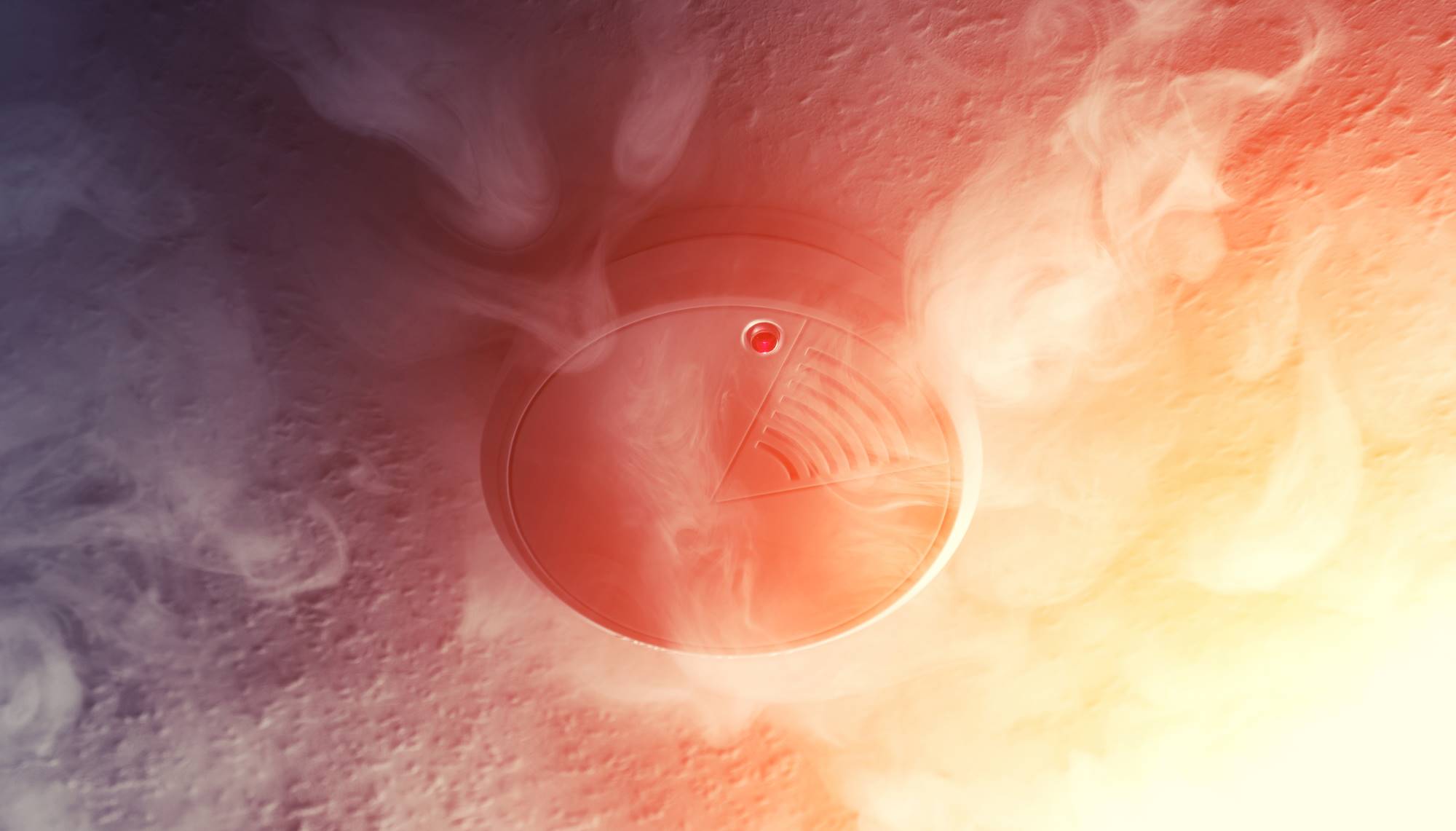
Smoke Detector Chirping? Start Here
A chirp is one short beep every 30 to 60 seconds. An alarm is a loud, continuous blast. If your detector is going off in long continuous tones, treat it as real: get everyone out and call 911. This guide is for the other sound, the maddening single chirp that won't quit. In nearly every Twin Cities home we visit, that chirp comes down to one of four things: a low battery, a unit that has reached the end of its life, dust or temperature swings, or a fault in a hardwired interconnected circuit. We'll walk through them in the order you should check, fastest fix first.
The good news: three of the four causes you can usually solve yourself in a few minutes. The fourth is the one worth knowing about, because that's the chirp that means there's an actual electrical issue behind your wall.
Why Does My Smoke Detector Keep Beeping With a New Battery?
If you swapped in a fresh battery and the chirp came right back, don't assume the new battery is the problem. Work through this list:
1. Wrong or weak "new" battery. Off-brand or long-shelf-life 9V batteries sometimes test fine but sag under load. Try a name-brand battery from a fresh pack.
2. The old battery is still in the drawer. On hardwired units with a backup battery, the chirp can persist for a few minutes while the unit re-tests itself. Wait two or three minutes after install before deciding it failed.
3. Battery contacts or the drawer aren't fully seated. Pull the battery, wipe the terminals, and reseat it until it clicks. A loose contact reads as a dying battery.
4. The unit needs a reset. Pull the battery, press and hold the test button for 15 seconds to drain residual charge, then reinstall the battery.
5. The detector itself is done. If a verified-good battery, a clean reseat, and a reset all fail, the sensor has likely aged out. See the end-of-life section below.
If you've confirmed a good battery and the chirp continues on a hardwired unit, skip ahead to the hardwired section. That combination points away from the battery and toward the circuit.
When a Chirp Means the Detector Is Simply Old
Here's the cause most homeowners never think to check: age. Smoke detectors don't last forever. The sensing element degrades over time, and once it does, the unit starts chirping to tell you to replace it, not to recharge it.
Most smoke detectors should be replaced about every 10 years, and combination smoke and carbon monoxide units often every 7 to 10 years. Flip the unit off its bracket and look at the back. There's a manufacture date printed there. If it's within a couple of years of that 10-year mark, or past it, no battery will stop the chirp for long. The whole unit needs to go.This matters in older Minneapolis and St. Paul housing stock especially. If you bought your home a while back and never replaced the detectors the previous owner installed, there's a real chance several of them are already past their service life and chirping intermittently or about to start.
• Check the date stamped on the back of every detector in the house, not just the one chirping.
• Replace the whole unit, not just the battery, once it's near or past 10 years.
• Match the type when you replace it: a hardwired interconnected unit must be replaced with a compatible hardwired unit, not a standalone battery model.
Hardwired Smoke Detector Chirping: This Is the One to Watch
Hardwired detectors are connected to your home's electrical system and, in most homes, interconnected, meaning when one senses smoke, they all sound. That interconnection is a safety feature, but it also makes troubleshooting trickier, because a problem in one unit or in the shared circuit can make a chirp seem to jump around the house.
Run the battery and age checks above first. If the chirp continues after a confirmed-good battery on a hardwired unit, the likely culprits move into electrical territory:
• A failing backup battery in one of several interconnected units (the chirp can sound like it's coming from a different detector than the one with the dead cell).
• A loose or corroded wiring harness at the detector's quick-connect plug.
• A fault on the interconnect wire that ties the units together, so a signal from one keeps tripping the others.
• An aging unit on a shared circuit dragging down the whole chain.
This is the point where do-it-yourself usually stops being the right move. Diagnosing an interconnect or circuit fault means working with line-voltage wiring behind the unit, and a wrong reconnection on an interconnected system can leave detectors that don't trigger together, which defeats the entire purpose. If the chirp continues after a fresh battery on a hardwired unit, that's an interconnect or circuit issue, and it's time to bring in a licensed electrician. Our team handles hardwired smoke and CO detector installation and interconnect repair across the Twin Cities, including matching new units to your existing wired chain.
If a detector is sparking, smells hot, or chirps alongside a tripped breaker or flickering lights, don't wait to schedule. That's a sign of a live electrical fault. Call a 24/7 emergency electrician right away.
Don't Forget Dust, Bugs, and Temperature
Before you assume the worst, rule out the easy environmental causes. These are common and quick to fix:
• Dust and cobwebs inside the sensing chamber. Vacuum the unit with a soft brush attachment, or blow it out with canned air every six months.
• Insects that crawl in and disturb the sensor. Same fix: clean it out.
• Big temperature swings, like a detector mounted near a drafty entry, an attic hatch, or a furnace room in a Minnesota winter. Extreme cold or rapid temperature change can trigger nuisance chirps.
• Humidity from a nearby bathroom can do the same on certain sensor types.
Relocating a chronically nuisance-tripping unit a bit farther from the heat, cold, or moisture source often solves it for good. On hardwired units, repositioning means re-running the connection, which again is electrician territory.
What Does a Blinking or Flashing Red Light on a Smoke Detector Mean?
In most cases, nothing is wrong. A smoke detector that blinks a small red LED once every 30 to 60 seconds is doing exactly what it's supposed to: that brief flash is the unit telling you it has power and is actively monitoring. Steady, slow blinking is normal operation on the majority of hardwired and battery units. The behavior that should get your attention is a change: a light that starts flashing a new pattern, flashes rapidly, or pairs with a chirp or beep.
The exact meaning depends on the brand and model, so check the label on the back before you assume the worst. A few common patterns we see in Twin Cities homes:
• One brief flash every 30 to 60 seconds: normal power-on heartbeat. Leave it alone.
• A red light that stays on solid or flashes fast after an alarm: on many units this is the "memory" or last-alarm indicator, telling you that unit is the one that sensed smoke or CO most recently. Press the test or reset button to clear it once the air is clear.
• A blinking red light paired with a chirp: that's a low-battery or fault signal, not a status light. Work through the battery and age checks earlier in this guide.
• A blinking light that shifts color (red to green, or a steady green): color codes vary widely by manufacturer. Green usually means normal AC power on a hardwired unit, and a change can mean the unit lost power or switched to battery backup.
The one case worth taking seriously: if the red light flashes rapidly along with a tripped breaker, flickering lights on the same circuit, or a hot or burning smell, stop troubleshooting. That combination points to a live electrical fault behind the detector, not a status LED. On an interconnected hardwired system, a fault on the shared circuit can also make the indicator lights behave oddly across several units at once, which is where guessing stops being safe.
"A single slow red flash is a detector doing its job. A fast red flash with a breaker trip or a hot smell is a wiring problem. The pattern is the tell, not the color."
If the light is just the normal heartbeat, you don't need us, and we'll say so. But if a flashing indicator comes with any sign of an electrical fault on a hardwired unit, that's an interconnect or circuit issue worth a licensed set of eyes. Call Norske Electric at (952) 443-4113 and we'll tell you straight whether it's a normal light or a wiring problem.
Why Does My Smoke Detector Keep Going Off When There's No Smoke?
A detector that sounds a full alarm with no fire is almost always reacting to something real in the air or to a unit that has aged out. In the Twin Cities homes we visit, a smoke or CO detector going off "for no reason" usually comes down to one of five causes, roughly in order of how often we find them: a dusty or buggy sensing chamber, cooking smoke or shower steam drifting to a too-close detector, a unit past its service life, a weak battery dipping below threshold, or a fault on a hardwired interconnected circuit. There is also one cause you should never dismiss, and we'll come to it.
Start with the harmless ones, because they cover most cases:
1. Dust, cobwebs, or insects in the chamber. The single most common nuisance cause. Vacuum the unit with a soft brush and blow it out with canned air, the same fix as for a chirp.
2. Cooking, steam, or humidity. A detector within a few feet of a kitchen stove or a bathroom door will trip on frying smoke or shower steam. Moving it 10 or more feet from the source usually ends it.
3. A unit past its life. A sensor near or past the 10-year mark (7 to 10 years for combination smoke and CO units) gets erratic and false-alarms. Check the manufacture date on the back and replace the whole unit if it's aged out.
4. A weak or loose battery. A battery sagging below threshold can trigger an alarm, not just a chirp, especially overnight when a cold Minnesota house drops the voltage further.
5. An interconnect or circuit fault. On hardwired interconnected systems, one faulty unit or a fault on the shared interconnect wire can set off every detector in the house at once, which feels random because the trigger isn't where the noise seems loudest.
Here's the part that might cost us a service call, and we'd rather you keep your money: don't call an electrician for a detector going off because of dust, cooking smoke, or a battery you can swap yourself. Those are free fixes. Clean the chamber, move a too-close unit away from the stove or bathroom, put in a fresh name-brand battery, and check the manufacture date before you dial anyone.
"Most 'random' alarms are dust, steam, or an old sensor. The one that isn't is a hardwired system that keeps tripping after you've cleaned it and swapped the battery, because then the problem is in the wiring."
Where it stops being a do-it-yourself job is a hardwired interconnected system that keeps false-alarming after you've cleaned every unit and confirmed good batteries, or any alarm that comes with a tripped breaker, flickering lights, a burning smell, or a detector that's warm to the touch. That's a live electrical fault, not a nuisance trip, and chasing it behind line-voltage wiring isn't a homeowner job. Norske Electric, owned by Brevik Tharaldson and licensed in Minnesota (MN Lic #EA005268), has diagnosed and repaired interconnected detector circuits across the Twin Cities for 18 years. If your hardwired detectors won't stop going off, call (952) 443-4113 or request a quote online and we'll find the actual fault instead of swapping parts.
FAQ: How to Stop a Smoke Detector From Chirping
How do I stop my smoke detector from chirping fast?Replace the battery with a fresh name-brand one, reseat it firmly, then hold the test button for about 15 seconds to clear residual charge. If that doesn't work, check the manufacture date on the back: a unit near or past 10 years needs full replacement, not a new battery.
Why does my smoke detector chirp at night but not during the day?Batteries lose a little voltage as temperatures drop, and homes are usually coolest overnight. A battery that's marginal during the day can dip below the threshold at night and start chirping. It's a sign the battery (or the whole unit, if it's old) is on its way out.
Can I just take the battery out to make it stop?Don't. A detector with no battery offers no protection, and on hardwired interconnected units, removing one battery can make the whole chain behave unpredictably. Fix the cause instead of disabling the device.
My hardwired detector chirps even with a brand-new battery. What now?That combination points to an interconnect or circuit fault rather than the battery. It's the case where a licensed electrician should diagnose the wiring before you keep swapping parts.
Why is my smoke detector flashing red?On most units a slow red flash once every 30 to 60 seconds is the normal power-on heartbeat, nothing is wrong. Check the light-code legend on the back of the unit to be sure. A fast red flash paired with a chirp usually means low battery or a fault, and a fast flash alongside a tripped breaker or a hot smell points to a wiring problem worth a licensed electrician.
Why does my smoke detector keep going off with no smoke?Most often dust or insects in the sensing chamber, cooking smoke or shower steam from a too-close unit, or a sensor past its 10-year life. Clean the chamber, move the unit away from the kitchen or bathroom, and check the date on the back. If a hardwired interconnected system keeps alarming after that, the fault is likely in the shared circuit.
What do three beeps on a smoke detector mean?Three loud beeps, a pause, then three again is the standard smoke alarm pattern. Four beeps in a repeating cycle is the carbon monoxide signal and is more urgent, get to fresh air and call 911. A single chirp between long silences is a low-battery or fault warning, not an alarm.
When to Call Norske Electric
You can handle batteries, cleaning, and even swapping a standalone unit yourself. Call a licensed electrician when the chirp survives a confirmed-good battery on a hardwired detector, when you need to replace interconnected units and keep them properly chained, or when the chirp comes with any sign of an electrical fault. Norske Electric is licensed in Minnesota (MN Lic #EA005268) and has served Twin Cities homeowners for 18 years.
Ready to stop the chirp for good? Call (952) 443-4113 or request a quote online, and we'll make sure your home's detectors are wired right and working together.