Signs Your Twin Cities Home Needs Rewiring
— Category: Home Electrical Safety
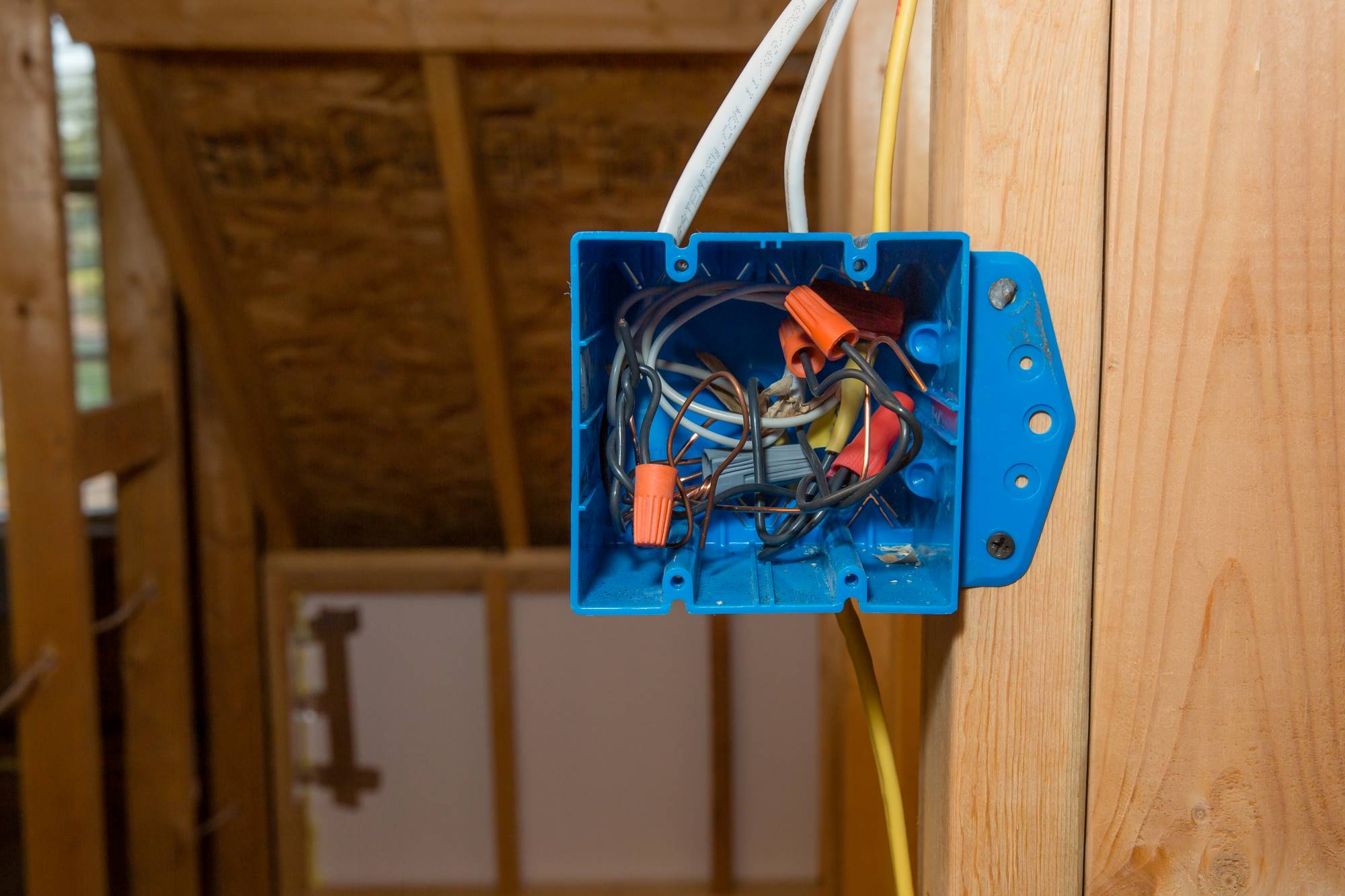
Signs Your Home Needs Rewiring
The clearest signs your home needs rewiring are physical and repeatable: outlets that feel warm or look discolored, lights that dim every time the microwave or A/C kicks on, breakers that trip under load instead of during a fault, two-prong ungrounded receptacles, and any wiring you can see that's wrapped in cloth instead of plastic. One of those on its own might be a single-circuit fix. Three or four together in a home built between 1950 and 1975 usually means the branch wiring itself is the problem, not the device on the end of it.
We see this pattern constantly in the metro. The ramblers and split-levels across the south and west suburbs went up fast during the postwar boom, and a lot of them still carry the original conductors behind the drywall. After 18 years of scoping older Twin Cities homes, owner Brevik Tharaldson's rule of thumb is simple: when the symptoms show up on multiple circuits at once, quit chasing individual outlets and look at the whole system.
Local pattern: Homes built 1950-1975 across the Minneapolis metro were often wired for a 60-amp or 100-amp world of one TV and a single window unit. A modern kitchen, a home office, and a heat pump ask far more of that same wire.Here are the warning signs worth acting on, roughly in order of how urgent they are:
1. Warm, discolored, or scorched outlets and switch plates. Heat at a receptacle means resistance where there shouldn't be any, usually a loose connection or an undersized conductor carrying more load than it was meant to. This is the one you don't sit on.
2. Whole rooms dimming when a big appliance starts. If lights sag every time the fridge compressor, microwave, or A/C cycles on, the circuit or the service can't keep up with the draw.
3. Breakers that trip under normal use. A breaker doing its job during a fault is good. A breaker that trips every time you run the vacuum and a space heater on the same circuit is telling you the wiring is maxed out.
4. Two-prong ungrounded outlets throughout the house. Ungrounded receptacles are a hallmark of pre-1965 wiring and mean there's no safe path to ground for a fault.
5. A burning or fishy smell near outlets or the panel. Overheating plastic and melting insulation have a distinct odor. If you smell it, stop and get out of that area.
6. Frequent bulb burnout in the same fixture, or outlets and switches that buzz, spark, or crackle when used.
"When the same symptoms turn up on three or four different circuits in a house this age, we stop looking at outlets and start looking at the wiring feeding them."The scenario where you should stop reading and call now
If an outlet is hot to the touch, a plate is scorched, or you smell burning plastic anywhere near a receptacle or the panel, this is no longer a weekend research project. Kill that circuit at the breaker if you can do it safely and call our 24/7 emergency electricians at (952) 443-4113. Live heat behind a wall is how house fires start, and it does not get better on its own.
Aluminum Wiring in Older Minnesota Homes
Aluminum branch wiring was installed in a huge share of homes built roughly between 1965 and 1973, right in the middle of the metro's biggest building era. It conducts electricity fine. The problem is at the connections: aluminum expands, contracts, and oxidizes differently than the copper devices it lands on, so over decades the terminations at outlets, switches, and the panel loosen and heat up. That heat is the hazard, not the wire in the wall.
You can often spot it. Pull a cover plate (breaker off first) and look at the conductor jacket, where the printing frequently reads AL or ALUMINUM. The wire itself has a dull silver color instead of copper's reddish tone.
What we've learned: In the metro homes we scope, aluminum branch circuits rarely need the whole run torn out. The failures cluster at the terminations. Getting those corrected properly is usually what makes the difference.The important nuance most homeowners miss: aluminum wiring is not automatically a tear-out job. There are accepted repairs that address the connection points directly.
• COPALUM crimps or approved AlumiConn connectors at every device, which pigtail a short length of copper onto the aluminum so the outlet or switch lands on copper.
• Devices rated CO/ALR for the receptacles and switches themselves, which are built to handle aluminum's movement.
• A full rewire, which becomes the sensible choice when the walls are already open for a remodel or when the panel and service also need to come up to modern capacity.
That last option is where the money makes the most sense. If you're already opening walls, a phased whole-home rewire during a remodel lets us replace aging aluminum and undersized copper with properly sized conductors while the framing is exposed, at a fraction of what it costs after the drywall is back up.
Knob and Tube Wiring Dangers
Knob-and-tube is the oldest wiring you'll find in the Twin Cities, common in homes and Minneapolis and St. Paul bungalows built before about 1950. It runs single conductors through porcelain tubes and over porcelain knobs, with the wire's insulation being the only protection. Two things make it a real concern today, and neither is theoretical.
First, it has no ground wire. That means no safe fault path for anything you plug in, and no easy way to add the grounded, GFCI-protected outlets a modern kitchen or bathroom needs.
Second, and this is the one that gets missed: knob-and-tube was designed to shed heat into open air. When a previous owner blows insulation into the attic or walls, that wiring gets buried, it can no longer cool itself, and the brittle old insulation cooks. Add a century of nicks, splices, and hardened rubber, and you have a genuine fire concern.
"The knob-and-tube homes that worry us most aren't the ones that look untouched. They're the ones where someone added insulation over active circuits and never touched the wiring underneath."There's no partial fix for active knob-and-tube feeding today's loads. The safe path is replacement, and because it predates grounding entirely, it almost always comes packaged with a service upgrade. In practice we pair the rewire with a 200-amp panel upgrade so the new circuits have the capacity and the grounding a modern home needs.
When Rewiring Is NOT the Right Call
Not every one of these symptoms means a rewire, and we'll tell you when it doesn't. Don't spend rewiring money if:
• The problem is on a single circuit. One dead outlet, one buzzing switch, or one breaker that trips only when you overload it is a targeted repair, not a whole-home project.
• Your home was built after about 1975 with copper wiring and a 100-amp-plus panel, and the symptoms are isolated. That's usually a device, a connection, or a load-balancing issue.
• You just bought the place and haven't lived through a full season yet. Some flicker and trip patterns only make sense once you know what loads run together in your daily use.
A good electrician should be able to look at your panel and a few outlets and tell you honestly whether you're looking at a repair or a rewire. If someone quotes a full rewire off a single tripping breaker without opening anything, get a second opinion.
FAQ: Rewiring Older Twin Cities Homes
How much of my house should be rewired?It depends on what's actually behind the walls, and that's why we scope before we quote. If your home has active knob-and-tube feeding modern loads, that's a full-house rewire for an older Minneapolis home, because there's no safe way to leave it in service. Aluminum branch wiring is often addressable at the terminations rather than a full tear-out, so it may only be a partial project. Post-1975 copper homes with isolated symptoms usually need targeted circuit work, not a rewire. The honest answer comes from a walkthrough, not a phone estimate.
Is aluminum wiring a fire hazard?The wire itself isn't the danger; the connections are. Aluminum expands, contracts, and oxidizes at outlets, switches, and panel terminations, and over decades those connections loosen and overheat. That's what can start a fire. Properly corrected with COPALUM crimps or AlumiConn connectors and CO/ALR-rated devices, an aluminum-wired home can be made safe without ripping every wire out. Warm outlets, flickering, or a burning smell on an aluminum-wired home mean you should have it looked at promptly.
When to Call Norske Electric
Read the whole picture before you panic. A single misbehaving circuit in a newer home is a repair. But warm or scorched outlets, whole rooms dimming under load, two-prong receptacles, cloth-insulated wire, or visible knob-and-tube in a 1950-1975 metro home add up to a wiring system that has outlived its design, and that's a rewire conversation. Norske Electric, owned by Brevik Tharaldson and licensed in Minnesota (MN Lic #EA005268), has scoped and rewired older Twin Cities homes for 18 years from offices in Hamel and Savage. If anything feels hot, smells like burning plastic, or sparks, don't keep guessing. Call (952) 443-4113 or request a quote online and we'll walk your home and tell you exactly what it needs, and what it doesn't.