Federal Pacific & Zinsco Panels: A Twin Cities Fire Risk?
— Category: Home Electrical Safety
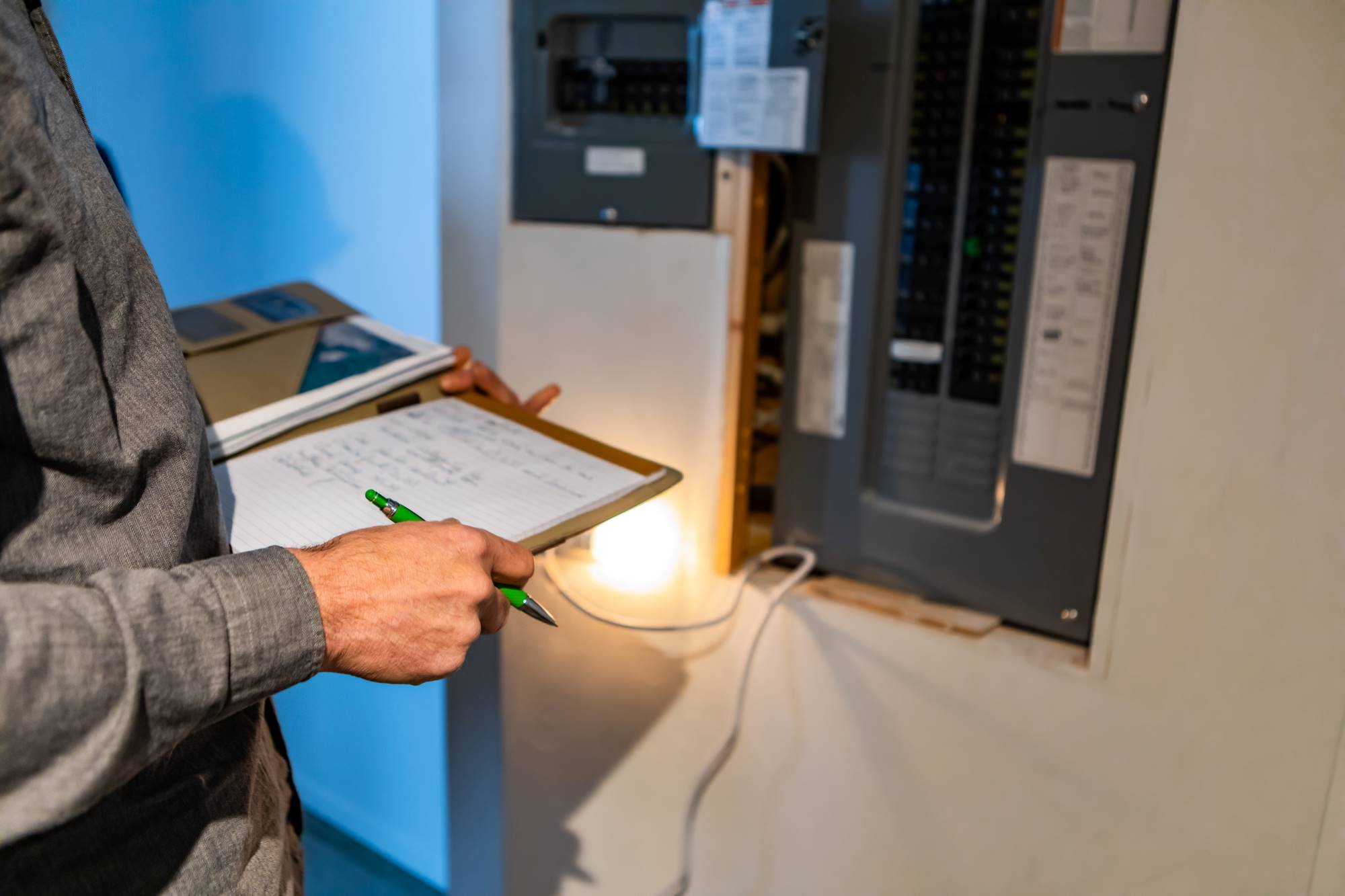
Do I Have a Dangerous Electrical Panel?
If your home was built or rewired between roughly 1950 and 1990, there's a real chance the gray or beige box on your basement or garage wall is a Federal Pacific or a Zinsco. Both brands share the same documented problem: breakers that can fail to trip on an overload or short. A breaker that doesn't trip is a breaker that doesn't protect you, and that's the whole reason the panel is there. After 18 years wiring older Twin Cities homes, owner Brevik Tharaldson's crews at Norske Electric still pull these panels out of Minneapolis bungalows and St. Paul story-and-a-halfs on a regular basis. This guide tells you how to spot one, why it's a hazard, and the honest answer on when it actually needs to come out.
We'll be straight with you throughout: not every old panel is an emergency, and we'll tell you the case where you can wait. But Federal Pacific and Zinsco are the two brands where "keep an eye on it" is the wrong advice.
How to Tell If I Have a Federal Pacific or Zinsco Panel
Grab a flashlight and read the label. On the inside of the panel door, or on the metal deadfront around the breakers, look for a brand name. Federal Pacific Electric panels are usually marked "FPE" or carry the "Stab-Lok" name on the breakers themselves, often with red or orange trip stripes on the breaker toggles. Zinsco panels (also sold as GTE-Sylvania in some years) typically show the Zinsco name on the panel and use distinctive breakers with colored bodies, often in a marbled or bright hue, that slide onto a bus bar rather than clip in like a modern breaker.
A few identification tips from the field:
• Don't touch the breakers or remove the deadfront if you're not comfortable. Reading the door label is enough to identify the brand. Opening the panel cover exposes live bus bars.
• Check for the Stab-Lok name stamped on individual breaker handles. That's the fastest positive ID on a Federal Pacific.
• Look at how breakers mount. Zinsco breakers push onto the bus differently than a modern Square D, Eaton, or Siemens breaker; an electrician can confirm in seconds.
• Photograph the label and send it over. If you're unsure, text or call (952) 443-4113 with a photo and we'll tell you what you're looking at before anyone comes out.
If the label is missing or painted over and the panel is clearly decades old, that alone is worth a look. Not every unlabeled panel is a Federal Pacific, but an old panel nobody can identify is a panel worth having a licensed electrician inspect.
Federal Pacific Stab-Lok Panel Danger: Why These Are a Fire Hazard
Here's the direct answer: the hazard isn't that the panel looks old, it's that the breakers can fail to do their one job. A circuit breaker is supposed to trip and cut power when a circuit overloads or faults. Independent testing over the decades found that a meaningful share of Federal Pacific Stab-Lok breakers failed to trip under overload conditions, and that some would not shut off even when switched by hand. When a breaker doesn't trip on a fault, the wire behind your wall keeps heating with nothing to stop it. That's how an electrical fault becomes a fire.
"A breaker that won't trip is worse than no breaker at all, because it tells you you're protected when you're not. That's the part homeowners don't see until we bench-test the panel."
Zinsco panels carry a parallel set of problems. Their breakers can weld themselves to the bus bar, so a faulted circuit stays energized while the homeowner thinks it's off. The aluminum bus bars in many Zinsco units also corrode and overheat at the connection points, which shows up as scorching or a burnt smell inside the panel. Both brands were eventually pulled from the market, and both are now widely regarded across the trade as replacement candidates rather than repair candidates.
The failure mode that makes this worse than a normal old panel: the danger is invisible during normal use. A Federal Pacific or Zinsco panel powers your home fine for years, lights on, outlets working, right up until the day a circuit faults and the breaker that should have saved you doesn't move. There's no warning light. That's exactly why we don't tell homeowners to wait and watch these two brands the way we might with a merely undersized modern panel.
When You Do NOT Need to Panic (the Honest Version)
Don't rip the panel out this afternoon in a fright. If your Federal Pacific or Zinsco panel is powering your home right now, you are not in immediate danger this minute, and you have time to schedule the replacement properly rather than as a 2 a.m. emergency. The right move is planned, permitted, inspected work, not a panic decision.
That said, treat any of these as a reason to move up your timeline and call the same week:
1. A burning or fishy plastic smell near the panel. That's overheating insulation. Shut off the main if you can do it safely and call a 24/7 emergency electrician.
2. Visible scorching, rust, or discoloration on the breakers or bus bar inside the panel.
3. Breakers that trip constantly, or breakers that never trip even when a circuit is clearly overloaded.
4. Warm or buzzing breakers, or a panel cover that's warm to the touch.
Any one of those turns a "plan it for next month" into a "let's look this week."
Should I Replace a Federal Pacific or Zinsco Panel?
For these two brands specifically, the answer is yes, plan to replace it. Because the breakers themselves are the problem and replacements aren't reliably available or trustworthy, you can't fix a Federal Pacific or Zinsco by swapping a breaker. The fix is a full panel replacement with a modern main breaker panel and current UL-listed breakers that actually trip on a fault. On most Twin Cities homes we replace the panel and, where the service warrants it, we look at whether the same job is the moment to move to 200-amp service. Many of these panels are old enough that the home has outgrown the amperage anyway, which makes pairing the panel swap with a service upgrade the efficient call rather than doing meter and feed work twice.
There's also a practical, non-safety reason homeowners replace these on their own timeline: insurance and resale. A growing number of home inspectors flag Federal Pacific and Zinsco panels on the inspection report, and some insurers ask that they be replaced. If you're planning to sell your Minneapolis or St. Paul home in the next few years, replacing a known-problem panel ahead of the listing removes a red flag that can stall a deal. Request a quote online and we'll tell you whether your specific panel takes a straight replacement or the job is the moment to size the service up.
FAQ: Federal Pacific and Zinsco Panels
Should I replace a Federal Pacific panel?Yes, plan to. The Stab-Lok breakers in Federal Pacific panels have a documented history of failing to trip on overloads and faults, and because the breakers are the problem, there's no reliable repair. The fix is a full panel replacement with a modern panel and UL-listed breakers. It's not usually a same-day emergency, but it's a job worth scheduling rather than ignoring, especially in older Twin Cities homes.
Are Zinsco panels a fire hazard?They can be. Zinsco breakers can weld to the bus bar and stay energized during a fault, and the aluminum bus bars in many units corrode and overheat, which shows up as scorching inside the panel. Like Federal Pacific, Zinsco panels are widely treated across the trade as replacement candidates rather than repair candidates.
How do I know if my panel is Federal Pacific or Zinsco?Read the label on the inside of the panel door or the metal deadfront. Federal Pacific is marked "FPE" or "Stab-Lok"; Zinsco shows the Zinsco name (or GTE-Sylvania in some years) with distinctive colored breakers. Don't remove the cover yourself. Send a photo of the label to (952) 443-4113 if you're not sure.
Is Federal Pacific panel replacement available in Minnesota?Yes. Norske Electric replaces Federal Pacific and Zinsco panels across Minneapolis, St. Paul, and the south metro, coordinating the permit, the Xcel Energy disconnect, and the inspection. We assess on-site whether a like-for-like panel replacement is enough or the service should be upgraded at the same time.
When to Call Norske Electric
If you've identified a Federal Pacific or Zinsco panel, or you've got an old panel nobody can put a name to, the right next step is a licensed electrician who'll tell you honestly what it is and whether it needs to come out. Norske Electric, owned by Brevik Tharaldson and licensed in Minnesota (MN Lic #EA005268), has replaced these panels in Twin Cities homes for 18 years, out of offices in Hamel and Savage. We'll identify the brand, check for heat and scorching, and either recommend a panel replacement with a clear scope or tell you it can wait. Call (952) 443-4113 or request a quote online and let's find out what's really behind that panel door.