100-Amp vs 200-Amp Service: What Your Home Needs
— Category: Home Electrical Upgrades
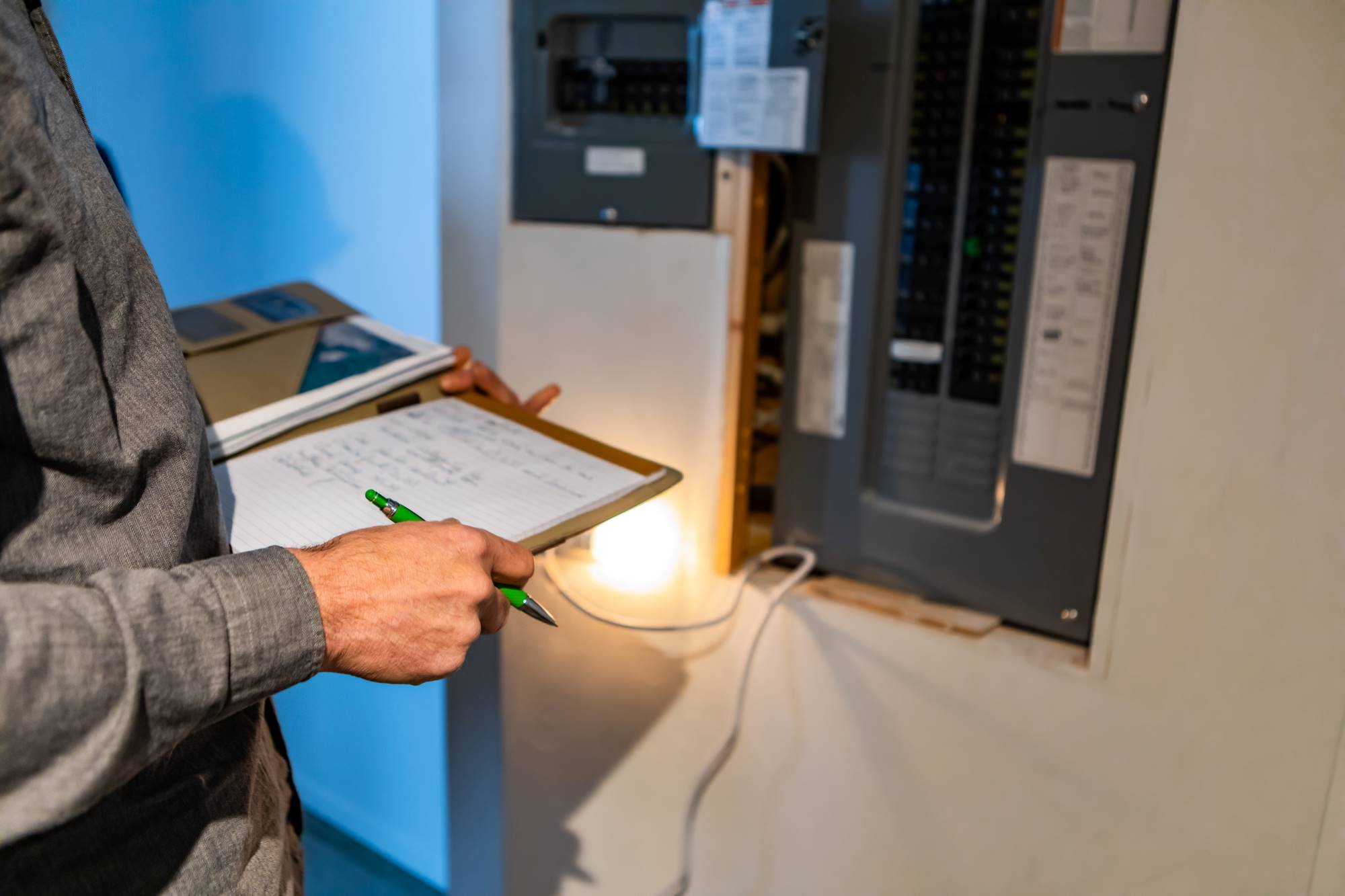
Norske Electric has sized electrical services across Minneapolis and the Twin Cities for 18 years (MN license EA005268), and the honest answer to 100-amp versus 200-amp is this: most modern homes here now need 200-amp service, while a smaller gas-heated home with no plans to electrify runs fine on 100 amps. It comes down to a load calculation, not square footage, and this guide walks through how EV chargers, heat pumps, and Minnesota code decide it.
Owner Brevik Tharaldson's crews upgrade services across the metro, from 1950s Bloomington ramblers still running their original 100-amp panels to newer Maple Grove builds adding a second EV charger. The house you have, and what you're plugging into it, decides the answer. That's the first thing we calculate before we quote anything.
100-Amp vs 200-Amp Service: What's the Difference?
The number is the total current your home's main service can safely draw from Xcel Energy's grid at once. A 100-amp service delivers up to 100 amps to the main panel; a 200-amp service delivers up to 200. That's not about voltage or how "strong" your outlets feel, it's a ceiling on total simultaneous demand. Add up everything that can run at the same moment on a February evening, and if that number crowds the ceiling, breakers trip and the panel runs hot.
For decades, 100 amps was plenty. A house heated with gas, cooked on gas or a modest electric range, and ran lights, a fridge, a TV, and a furnace blower. Nothing about that load list stresses 100 amps.
The shift is electrification. Homeowners are trading gas for electric, adding heat pumps, and charging cars in the garage. Each of those is a large continuous load, and they stack. A 200-amp service exists because the modern all-electric household needs roughly double the headroom the 1960s household did. It isn't a luxury upgrade, it's the capacity a fully electrified home actually consumes.
Do I Need a 200-Amp Panel?
You need a 200-amp service when your combined electrical load, present and planned, crowds what 100 amps can safely carry. The cleanest way to know is a load calculation: a licensed electrician tallies your home's square footage, heating and cooling type, major appliances, and any EV or shop loads, then compares the total against your existing service. It's arithmetic, not a guess, and it's the step that separates a real answer from a sales pitch.
Here's a practical read on where most Twin Cities homes land:
• You're probably fine on 100 amps if your home is under about 2,000 square feet, heats with gas, has no EV charger, and you aren't planning to electrify. Plenty of homes run happily on 100 amps for their whole life.
• You likely need 200 amps if you're adding a Level 2 EV charger, a heat pump or electric furnace, an electric range plus dryer plus water heater, a hot tub, or a finished basement or addition that adds circuits.
• You almost certainly need 200 amps if you're doing two or more of those at once, which is the common case in a modern remodel.
"The homeowners who call us aren't guessing about amperage. They're adding a car charger or a heat pump, the installer says the panel can't take it, and now they need to know what the service can actually carry. That's a load calculation, not a hunch."
The reason a load calculation matters more than a rule of thumb: two homes with identical square footage can need different services depending on what's electric versus gas. A gas-heated 2,400-square-foot home might be fine at 100 amps, while an all-electric 1,600-square-foot bungalow adding a car charger is out of room. The appliances decide it, not the floor plan alone. If you're weighing a service change, circuit and panel replacement is where we start with a real load calc.
When You Do NOT Need to Upgrade
Honest counsel, because it saves you a project you don't need: if your 100-amp panel is doing its job, nothing trips, nothing runs hot, and you have no plans to add a big electric load, you do not need a 200-amp service just because it's newer. Amperage isn't a maintenance item you upgrade on a schedule. If an installer tells you to "upgrade to be safe" without adding a single new load and without running the numbers, get a second opinion. The right time to upsize is when the load actually calls for it, not before. We'll tell you to wait when waiting is the correct call.
Ready for a straight answer on your own home? Call (952) 443-4113 and we'll run the load calc before recommending anything.
Signs Your Electrical Panel Needs an Upgrade
Your panel usually warns you before it fails. The signs fall into two buckets: capacity problems, where the service is simply out of room, and condition problems, where the panel itself is aging out. Both point toward an upgrade, and in older Twin Cities homes they often show up together.
Watch for these:
1. Breakers trip when big loads run together. The dryer and the microwave and the space heater on a cold night pop a breaker. That's a capacity signal, not a nuisance.
2. You're out of open breaker slots. A full panel with no room for a new circuit means every addition requires tandem breakers or a subpanel workaround, a sign the service was sized for a smaller home than you now have.
3. The panel is a known problem brand. Federal Pacific, Zinsco, and certain Pushmatic panels from the mid-century era have documented failure histories. Many are still live in metro homes and should be replaced regardless of amperage.
4. Fuses instead of breakers. A fuse box almost always means 60 or 100 amps and predates modern grounding. It's a strong candidate for a service upgrade.
5. Warm panel cover, buzzing, or a burning smell. These are condition red flags. Stop and call an electrician, because a hot panel is a fire concern, not a capacity question.
6. An installer just told you your panel can't take the new load. The EV charger, heat pump, or hot tub quote hit a wall at the panel. That's the most common trigger we see.
If you're seeing capacity trips, the fix isn't a bigger breaker, it's a service that matches your load. Swapping in a larger breaker on wiring that can't carry it is exactly the wrong move, and it's a fire hazard. That's why the answer is a load calculation and, when the numbers call for it, a proper panel and service upgrade.
Will an EV Charger or Heat Pump Overload a 100-Amp Panel?
Often, yes, and this is the single most common reason metro homeowners upsize their service. A Level 2 EV charger and a cold-climate heat pump are both large continuous loads, and a 100-amp panel that was comfortable before frequently can't absorb them without crowding the service.
Here's why each one is heavy:
• Level 2 EV charger. A home car charger typically pulls 32 to 48 amps continuously while charging. On a 100-amp service that's already running heat, a range, and a dryer, that's a large chunk of your total ceiling dedicated to one circuit for hours at a time.
• Cold-climate heat pump. Minnesota winters are the hard case. Heat pumps that keep working at Twin Cities lows draw meaningful current, and many installs pair them with electric-resistance backup heat for the coldest stretches, which stacks even more load onto the service exactly when everything else is running too.
• The two together. Charging the car overnight while the heat pump fights a January cold snap is precisely the simultaneous-demand scenario a load calculation is built to catch.
A 200-amp service is what gives these loads room to coexist. If you're planning a charger, don't wait for the trip: our EV charger installation in Minneapolis starts with checking whether your service can carry it, and we'll flag a needed upgrade before the charger goes on the wall, not after. For the general scope, electric vehicle charging station installation covers the circuit and panel side of the job.
Get a quote online and we'll tell you whether your panel takes the charger as-is or needs to grow first.How Many Amps Does a House Need in Minnesota?
For a modern Minnesota home, 200 amps is the practical standard, and most new construction and major remodels here are built or upgraded to it. Smaller gas-heated homes with no plans to electrify can still run fine on 100 amps, but the trend across the metro is firmly toward 200 as heating, cooking, and driving all go electric. The number your specific home needs comes down to a load calculation under the Minnesota State Electrical Code, which follows the National Electrical Code with state amendments.
Two Minnesota-specific factors push the answer toward 200:
• Electric heat in a cold climate. A home leaning on heat pumps or electric-resistance heat through a Twin Cities winter carries a heavier, more sustained load than a gas-heated home, and the code's load calculation accounts for that.
• The electrification wave. Rebates and the move off gas mean more metro homeowners are adding electric ranges, water heaters, heat pumps, and chargers in the same few years, and 200 amps is what carries the stacked load without a second upgrade down the road.
The reason to size it right the first time is simple: upgrading from 100 to 200 is one project, but upgrading from 100 to 125 and then to 200 two years later is two. If your home is heading toward electrification, sizing the service for where you're going rather than where you are now saves you from doing the meter and feed work twice. We plan for the loads you're adding next, not just the ones you have today.
When to Call Norske Electric
The sizing question deserves a real answer, not a guess off your square footage. Is 100 amps still carrying your home, or is a new charger, a heat pump, or a full panel the moment to move to 200? That comes from a load calculation on your actual house and your actual plans, and it's the step we start with every time. If your home is in the city, our service and panel upgrades for Minneapolis homes page covers the neighborhoods, permits, and Xcel coordination that go with the jump to 200 amps. Norske Electric, owned by Brevik Tharaldson and licensed in Minnesota (MN Lic #EA005268), has sized and upgraded services in Twin Cities homes for 18 years, from mid-century ramblers on their original panels to all-electric remodels, out of offices in Hamel and Savage. We'll run the numbers, coordinate the permit and the Xcel disconnect, and tell you honestly whether you need 200 amps or your 100 is doing just fine. Call (952) 443-4113 or request a quote online and let's get your service sized right.