Standby Generator Won't Start During an Outage? Do This
— Category: Home Generators
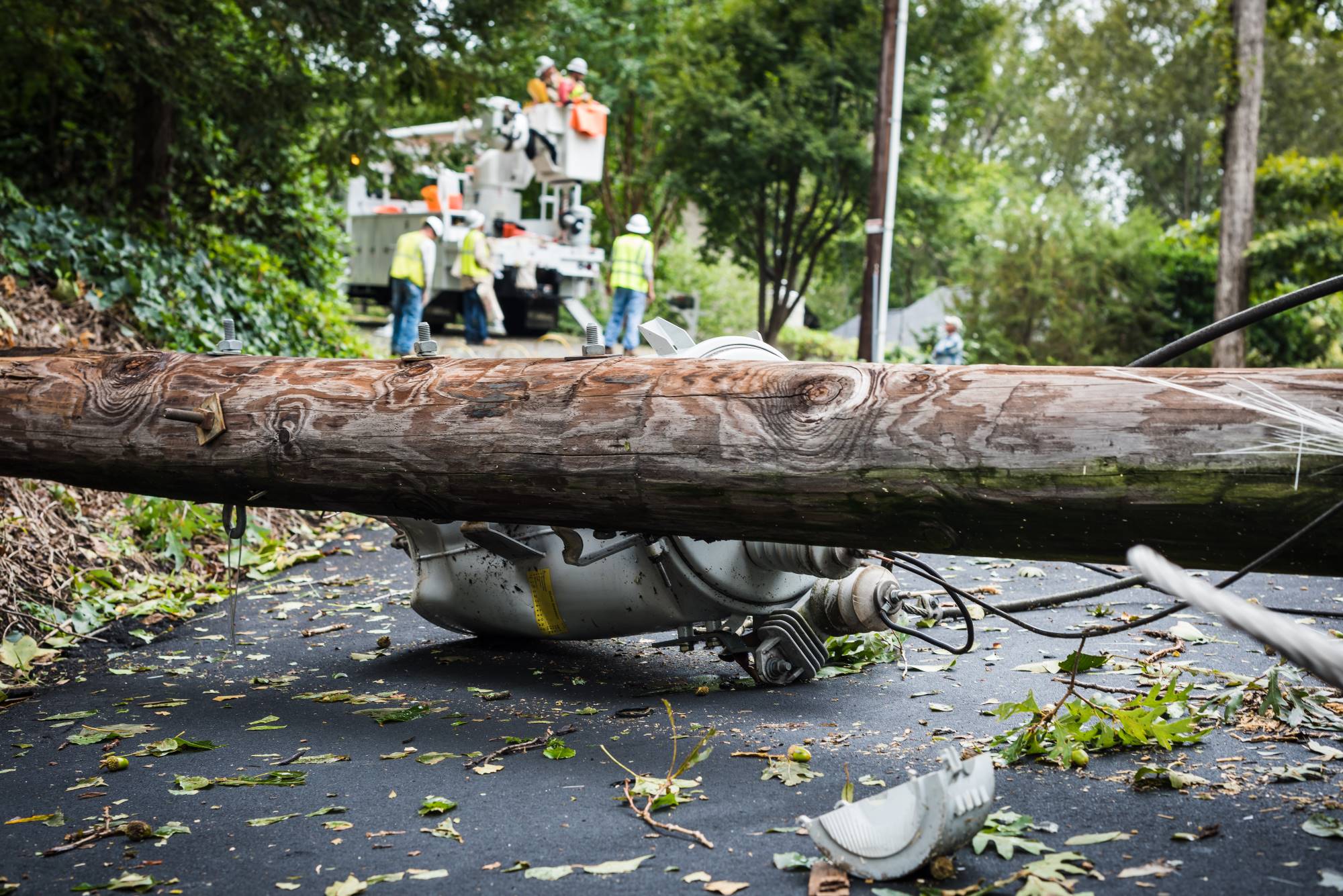
The grid just dropped, and the one thing that was supposed to handle it stayed silent. A standby generator that won't start during an outage is the most stressful failure in the whole ownership cycle, because it fails at the exact moment you were counting on it. The good news: most no-start calls we run trace to one of four causes, and they fall in a predictable order of likelihood. A dead or sulfated battery from missed exercise cycles is far and away number one. Fuel supply is second. A controller fault flagged in the unit's own self-test log is third. Cold-weather no-start is the Minnesota special that stacks on top of the others. Norske Electric has installed and serviced standby units across the Twin Cities for 18 years, from Hamel out through the south metro, and this is the order we actually check them in.
Why Won't My Generator Start? Start With the Battery
Start at the battery, because that is the single most common reason a standby generator won't start. The engine is fine. The fuel is there. But the small 12-volt battery that cranks the starter is dead, and a dead battery means the unit can't turn over no matter how healthy everything downstream is. In our service calls this is the first thing we check and the most frequent thing we replace.
The Root Cause: A Missed Weekly Exercise Cycle
The root cause is almost always a missed weekly exercise cycle. A standby generator is supposed to self-test and run for a few minutes every week, and that run is what keeps the battery charged and the engine limber. When the exercise schedule gets disabled, or the trickle charger fails quietly, the battery slowly sulfates and loses cranking capacity. It can sit looking fine for months and then have nothing left the day you need it.
"After 18 years of these calls, our honest read is that a standby generator battery is a 3-to-5-year wear part, not a lifetime one, and in a Minnesota climate it's closer to 3. We've started replacing them proactively at the annual service instead of waiting for the outage that finds the weak one."
What you can safely check yourself:
1. Look at the controller display. Many units flag "battery problem," "low battery," or a fault code before they ever fail to crank. That message is the answer.
2. Check the battery charger. If the unit has a visible charger or a charge light, confirm it's powered and lit. A tripped charger circuit slowly kills the battery.
3. Listen when the outage hits. A rapid clicking with no crank, or a slow lazy crank that won't catch, both point straight at the battery.
4. Confirm the weekly exercise is on. If you can't remember the last time you heard it run for a few minutes, that's your sign the charge cycle has been off.
If the battery is the culprit, that's a straightforward swap. Ready when you are: call (952) 443-4113 and we'll get it cranking again.
Standby Generator Not Starting During an Outage: The Fuel and Controller Checks
If the battery is good and the engine cranks but won't catch, the next suspect is fuel supply. A standby generator cranks fine but stalls or never fires when it isn't getting gas, and that comes down to a closed valve, a tripped gas regulator, or an undersized or partially blocked gas line that can't deliver enough volume when the engine demands it. On propane units, an empty or nearly empty tank does the same thing, and cold weather makes it worse because propane vaporizes poorly at low temperatures.
What you can safely check: confirm the manual gas shutoff valve at the unit is fully open, and on a propane setup, check the tank gauge. That's the safe extent of the fuel check. Anything past the shutoff valve is licensed gas work.
The Third Cause: A Controller Fault Code
The third cause is a controller fault. Modern standby units run a self-test and log every fault with a code. If the generator flashes an alarm, shows an error on the display, or is in a locked-out state after too many failed start attempts, the controller is telling you what's wrong. Common ones include an overcrank fault (it tried to start and gave up), a low-oil-pressure lockout, or a wiring fault the board detected. Write down the exact code before you clear it. That code cuts our diagnostic time in half, because it points straight at the subsystem instead of making us test all of them.
"The self-test log is the most under-used tool the homeowner already owns. Read us the code off the controller and we often know what part is coming out before we're in the truck."
If your unit is cranking and not catching, or showing a fault you can't clear, that's generator repair territory. Tell us what the controller is showing and we'll come back with a plan.
Why Won't My Generator Start in Cold Weather?
Cold weather is where Minnesota separates a generator that looks maintained from one that actually is. Everything that's marginal gets worse below zero. A battery at 60 percent capacity in July might crank fine, but at -15 that same battery can lose a third of its cranking power right when the engine oil is thick and hard to turn over. This is why the polar-vortex outages we saw in 2019 and 2021, running 24 to 72 hours below -20, are exactly when weak standby units fail to start. Three things stack up in a Twin Cities cold snap:
• Battery cranking power drops. Cold cuts available amps at the exact moment the engine needs more of them to turn over stiff oil.
• Propane vaporizes poorly. On propane units, a low tank in deep cold can't build enough vapor pressure to feed the engine, so a unit that ran all summer stalls in January.
• Oil viscosity fights the starter. The wrong-weight oil in a unit that skipped its service turns into molasses below zero and drags the crank speed down below what the engine needs to fire.
The homeowner fix here is prevention, not a field repair. If your generator is stalling or failing to start only when it's brutally cold, the unit is telling you the battery, the fuel supply, or the service interval isn't rated for the conditions it's being asked to handle.
When This Isn't a Call You Need to Make Yet
We'll say the part a service company usually won't. If your generator just failed its very first start after a brand-new install, and it's still under the installer's workmanship window, call whoever installed it first. That's on them to correct, not a repair you should be paying a second company for. And if your unit is cranking, catching, and carrying the load fine, but you're only worried because you never hear it exercise, the fix might be as simple as re-enabling the weekly test schedule yourself from the controller menu. You don't need a truck roll for a settings change.
When It Is a Real Service Call
Where it does become a real service call: the unit won't crank at all, cranks but won't catch, starts and then stalls under load, or throws a fault code it won't clear. Those are the four patterns that mean something physical is wrong, and none of them get better by waiting for the next outage to test them again.
The Fix Is Usually Cheaper Than the Failure
Here's the pattern we see: the homeowner who calls in October for an annual service pays for a battery and a filter. The homeowner who skips it calls us during the outage with a flooded basement or a frozen pipe, and now the generator failure is the small line item. A standby generator is only insurance if it starts, and starting reliably comes down to the same short maintenance list every year: battery, oil, filters, fuel-line check, and a live test under load. If you're choosing between backup options in the first place, our comparison of a whole-house vs. portable generator for a Minnesota home lays out the tradeoffs.
Talk to a Twin Cities Generator Technician
Norske Electric, owned by Brevik Tharaldson and licensed in Minnesota (MN Lic #EA005268), installs and services standby generators across Minneapolis, St. Paul, and the south metro from our Hamel and Savage offices, with 24/7 emergency service when a unit fails during an outage. If yours won't start, see our standby generator installation and service in the Twin Cities, or if you're planning a new unit, here's home generator installation in Minneapolis with the permit and inspection handled as one job. When you need it now, call (952) 443-4113 and we'll diagnose the actual fault before we quote it.
Frequently Asked Questions
How much does generator repair cost, and what usually fails?The most common standby generator repair is a battery replacement, followed by a fuel-supply or controller issue. We diagnose the actual fault first and quote it before any work, rather than guessing off the phone. Norske Electric runs 24/7 emergency generator service across the Twin Cities, so a unit that fails during an outage doesn't have to wait for business hours. Call (952) 443-4113 for a diagnosis.
How often should a standby generator be serviced?Once a year, plus the weekly self-exercise cycle the unit runs on its own. An annual service covers the battery, oil, oil and air filters, spark plugs, a fuel-line check, and a live test under load. In Minnesota's climate we treat the battery as a 3-to-5-year wear part and often replace it proactively at service rather than waiting for the outage that finds a weak one.
My generator battery keeps dying. Why?A standby generator battery that keeps dying almost always means the charge cycle is broken: a disabled weekly exercise schedule, a failed trickle charger, or a tripped charger circuit. The battery slowly sulfates and loses cranking capacity, then has nothing left when the outage hits. Confirm the weekly exercise is enabled and the charger is powered; if the battery still won't hold, it's aged out and needs replacing.
The generator cranks but won't start. What does that mean?Cranking but not catching points to fuel or the engine itself rather than the battery. Check that the manual gas valve at the unit is fully open, and on propane, that the tank isn't low. If fuel is confirmed and it still won't fire, or the controller shows an overcrank lockout, that's a service call. Read us the fault code off the display and we can often identify the failed part before arriving.